Backstreet Boy Beach Battle Isn’t Over Yet

The Walton County courtroom drama involving Backstreet Boys singer Brian Littrell, his wife Leighanne, their LLC (BLB Beach Hut, LLC), and neighbor Carolyn Barrington Hill took a major turn this week — but this beachfront feud is far from finished. On February 17, 2026, Circuit Judge Jonathan V. Schlechter issued a 5-page order dismissing all nine counts of the Littrells’ September 19, 2025 complaint without prejudice. That means the case isn’t dead; it’s on life support with a clear path back to court. Quick Recap of the Lawsuit The Littrells accused Hill (67, Santa Rosa Beach) of 7 counts of trespass on their private dry-sand beach (dates from April 26 to September 6, 2025). 1 count of invasion of privacy (allegedly videotaping them without consent). 1 count of stalking (voluntarily dropped at the December 11, 2025 hearing).

They claimed Hill ignored “No Trespassing” signs, chairs, umbrellas, and tables marking their property line, and deliberately antagonized and harassed the family.
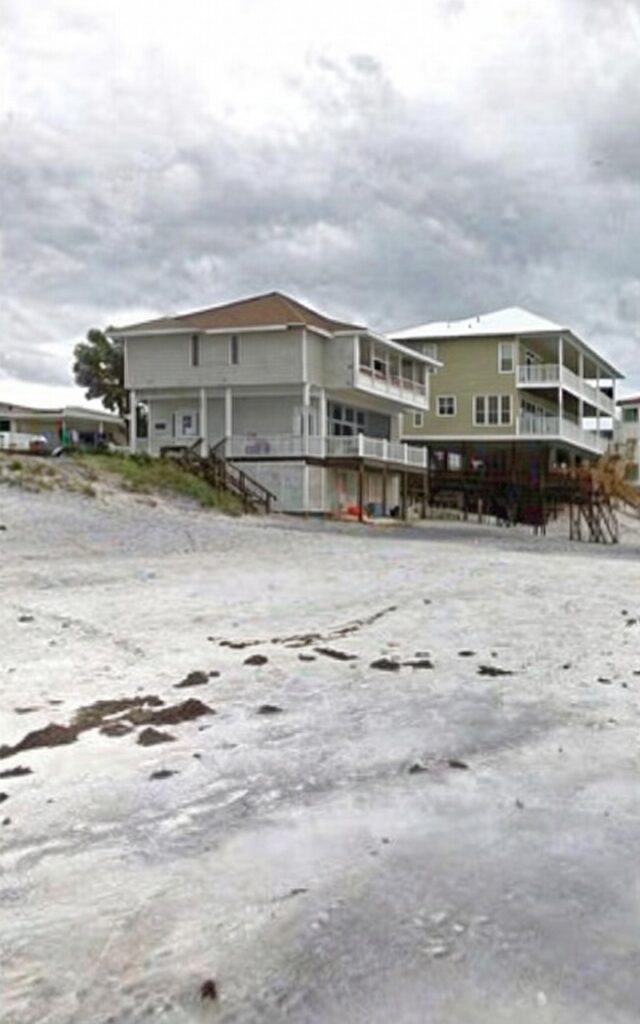
Hill’s defense (via her motion to dismiss) argued the claims lacked specific facts, sought improper relief, and that she believed she had rights to the area under public beach access rules. What the Judge Ruled — and Why It’s Not Game Over The judge found: Trespass counts (1–7): The complaint had enough “ultimate facts” under Florida’s pleading rules — the property description (stopping at the mean high water line, or MHWL) was clear, and allegations tied Hill’s entries to the private “beach portion” of the Subject Property. But fatal flaw: Every trespass count asked for emotional distress damages. Florida law doesn’t allow that for standard trespass (Coddington v. Staab, 1998). The privacy count doesn’t fix it.

Invasion of privacy (Count 8): Allegations of videotaping were too vague — no specifics on where the Littrells were (e.g., on an open beach with no reasonable expectation of privacy, per Koehler v. State, 1984).

Plus, the LLC can’t claim emotional harm.

Result: Full dismissal without prejudice. The Littrells have 20 days (until around March 9, 2026) to file an amended complaint fixing these issues. Why This Case Could Keep Going — and Get Messier To survive round two, the Littrells need to:

Drop emotional distress from trespass counts (seek nominal damages, actual costs, or punitive if malice is alleged). Add precise facts to the privacy claim: exact locations, barriers creating seclusion, why privacy was reasonable.

Back it all with hard proof in discovery/trial: time-stamped photos/videos showing Hill north of the MHWL, a certified MHWL survey, witness statements, deputy reports.

Florida treats civil trespass to real property as a strict-liability tort — intentional unauthorized entry is enough; no need to prove harm for liability. But damages vary: Nominal damages: The most reliable win here. If they prove trespass but no real loss, the jury awards a token amount (e.g., $1–$100 per incident) to acknowledge the wrong. Florida courts say plaintiffs are entitled to at least nominal damages upon proving trespass (e.g., Daniel v. Morris, 2015;

Florida Standard Jury Instruction 452.9b). Actual/compensatory damages: If proven, cover out-of-pocket losses like: Cost of extra “No Trespassing” signs, chairs/umbrellas/tables damaged or replaced. Hiring private security (they mentioned this in filings). Any diminished rental value if the property is rented out. Difference in property value before/after (rare in minor foot-traffic cases).

Hill (now represented) has her own angles: claims she stayed on public wet sand or areas with customary use rights,  disproving trespass. Media reports from late 2025 mention confrontations (including deputy body-cam footage), but no public smoking-gun evidence either way has surfaced yet. This isn’t isolated — it’s part of broader 30A/Walton County beach wars over dry-sand access, erosion, renourishment, and the MHWL (a NOAA-data-based line separating public trust lands from private upland). The Littrells also have a separate suit against the Walton County Sheriff’s Office over enforcement — that one’s still pending too. The Bigger Picture Florida’s beaches belong to everyone up to the MHWL, but dry sand above it can be private if deeded that way. Proving someone crossed that invisible, shifting line on specific dates requires solid evidence — not just signs and frustration. The mean high waterline was at the toe of the dunes for many many years, that sand line shifts based on an average 19 years wet sand dry sand. Should that be changed ?

The Littrells get another shot to plead stronger facts and pursue the right damages. If they file a tight amended complaint, the case moves to discovery (subpoenas, depositions, Hill’s videos). If not, or if Hill counters successfully, it could end quickly. For now: It’s not over — yet. This celebrity-neighbor clash highlights how heated Florida’s beach-access fights can get. Will the Littrells come back with video proof and boundary surveys? Will Hill prove she never crossed the line? Stay tuned — amended filings should hit soon.

What do you think — private dry-sand rights vs. public tradition? Share below!(Based on the public February 17, 2026 court order, Florida Statutes, and news coverage up to February 18, 2026. Not legal advice — just the facts behind the headlines.)

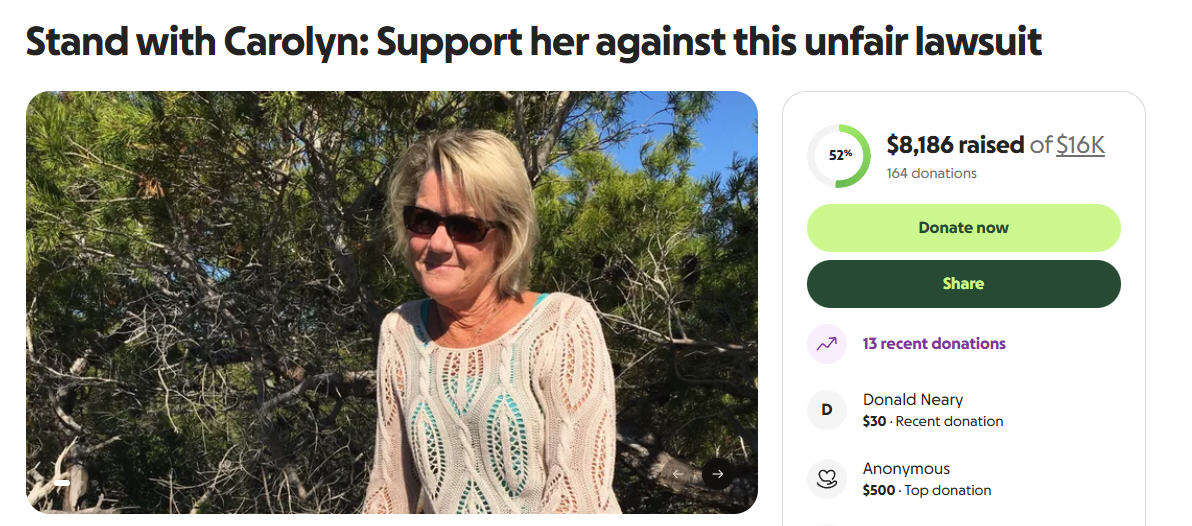
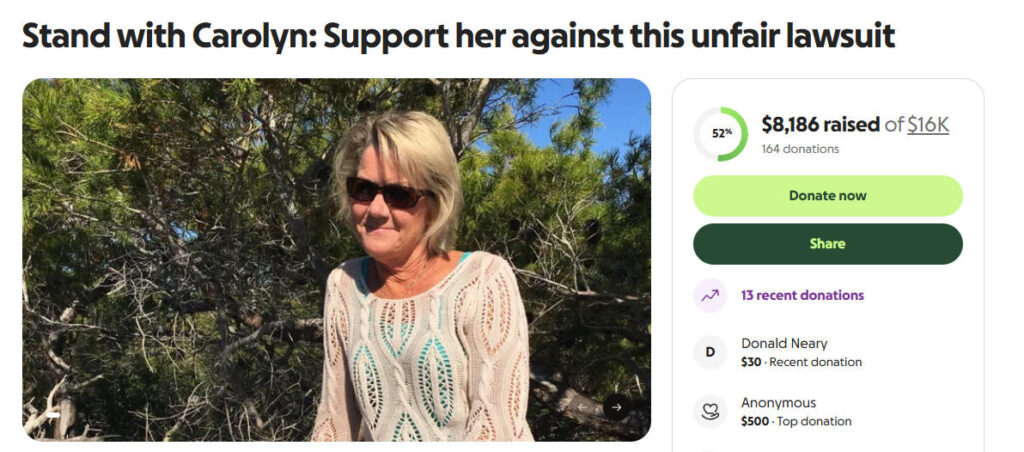
A gofundme is raising funds for Carolyns legal fees

Backstreet Boy Beach Battle Isn’t Over Yet

| 30a News |
About The Author
-